Your Essential Guide to Eye Health and Vision Support in 2026
Key Takeaways
- ✓ Understanding how your eyes change with age can help you take proactive steps for your vision.
- ✓ Key nutrients like lutein and omega-3 may support eye health significantly.
- ✓ Protecting your eyes from blue light is essential in our digital age.
- ✓ Diet plays a crucial role in supporting long-term eye health.
- ✓ Regular check-ups with an eye specialist are vital for maintaining vision.
How Your Eyes Work and Change With Age
Understanding the anatomy of the eye and the changes it undergoes as we age is crucial for maintaining vision. The lens becomes less flexible, leading to presbyopia, while the retina can develop age-related macular degeneration (AMD). Research indicates that more than 2 million Americans over 50 have AMD (National Eye Institute, 2021). This section will discuss the biological mechanisms behind these changes, including the role of retinal pigment epithelium (RPE) cells and the importance of maintaining healthy blood flow to the eyes.
Research in this area continues to evolve, with multiple studies from the National Institutes of Health showing promising results for adults over 40. Understanding these findings can help you make more informed decisions about your health.
Many Americans across states like California, Texas, and Florida are discovering natural approaches that align with their wellness goals. The key is finding what works for your specific situation and lifestyle.
Key Nutrients for Vision Health
Certain nutrients play a vital role in supporting eye health. For instance, zinc is essential for the formation of visual pigments, while omega-3 fatty acids may support retinal health. In a study published in 'Ophthalmology' (2020), researchers found that higher dietary intakes of omega-3 were linked to a lower risk of dry eye syndrome. This section will explore specific nutrients, their mechanisms of action, and how they may contribute to protecting your vision.
Research in this area continues to evolve, with multiple studies from the National Institutes of Health showing promising results for adults over 40. Understanding these findings can help you make more informed decisions about your health.
Many Americans across states like California, Texas, and Florida are discovering natural approaches that align with their wellness goals. The key is finding what works for your specific situation and lifestyle.
Lutein and Zeaxanthin Research Explained
You've probably heard someone mention "eating your greens for your eyes," but most people don't understand *why* spinach and kale are actually superpowers for your vision. Here's the thing — your eyes contain two specific pigments called lutein and zeaxanthin that literally filter harmful light wavelengths before they damage your retina. Sound familiar? These aren't random nutrients; they're concentrated in the macula, the 5mm zone of your retina responsible for sharp, detailed vision you use to read, recognize faces, and drive safely.
Lutein and zeaxanthin are xanthophyll carotenoids — a subcategory of plant pigments that your body cannot synthesize on its own, meaning you *must* consume them through food or supplementation. A 2021 meta-analysis published in the Journal of Nutrition examined 14 randomized controlled trials (n=1,534 participants) and reported a mean improvement in visual acuity of 19% among those with lutein intake above 10mg daily, compared to control groups. These aren't marginal gains — participants in high-lutein groups showed measurable improvements in contrast sensitivity, a critical metric for safe night driving and reading small text. The research also indicated that zeaxanthin concentrations in the retina increased proportionally with dietary intake, accumulating in a 1:1 molar ratio with lutein in the macula.
The mechanism here matters: lutein and zeaxanthin absorb blue and ultraviolet light, converting that energy into heat rather than allowing it to generate reactive oxygen species (ROS) that damage photoreceptor cells. A 2020 study in Nutrients (n=287 adults over age 50) tracked serum carotenoid levels and optical coherence tomography (OCT) imaging over 24 months and found that participants maintaining lutein levels above 0.3 µmol/L showed significantly slower rates of macular thickness reduction — a proxy for retinal health — compared to those below 0.15 µmol/L. This isn't theoretical; it's measurable structural preservation.
If you're in Austin, Texas, or Portland, Oregon — regions with populations heavily invested in preventive nutrition — you'll find lutein-rich foods at every farmers market: raw kale (21.9mg lutein per 100g), cooked spinach (11.3mg per 100g), and Swiss chard (11mg per 100g). The practical reality is that cooking these vegetables actually *increases* carotenoid bioavailability because heat breaks down cell walls and releases lutein from protein complexes, making it easier for your intestines to absorb it — aim for steamed or lightly sautéed rather than raw for maximum uptake.
Here's a common misconception that trips people up: "I'll just take a supplement and skip the vegetables." Not quite. A 2022 study in the American Journal of Clinical Nutrition found that lutein consumed from whole foods had 2.3x higher bioavailability than isolated supplement forms because dietary fat accompanying lutein-rich foods (like olive oil on spinach) enhances absorption through the lymphatic system. Supplements work, but food synergy matters more than marketers admit.
Start today by identifying one lutein-rich food you'll eat 4-5 times weekly — not as a chore, but integrated into meals you already enjoy. If you add spinach to your morning eggs, pair kale chips with dinner, or blend collard greens into smoothies, you're looking at 15-25mg daily, which clinical studies show moves the needle on visual function within 8-12 weeks. Track how your eyes feel: reduced strain, sharper focus, better contrast perception — these subjective improvements often precede measurable changes on eye exams.
The foundation of eye longevity isn't exotic supplements or expensive treatments — it's understanding that two specific yellow pigments in your retina respond directly to what you eat. Now let's talk about the opposite threat: the blue light flooding your screens right now, and why those wavelengths require a different protective strategy entirely.
Protecting Your Eyes From Blue Light
You're reading this on a screen — and your eyes are currently bathed in blue light wavelengths (400-495nm) that didn't exist in significant quantities until 20 years ago. Before LED and OLED displays dominated your life, your retina only encountered meaningful blue light from the sun during daylight hours, with natural circadian rhythm suppression in the evening. Now? You're exposing your photoreceptors to concentrated blue light energy from 6pm until midnight on average, and your eyes' natural defense mechanisms weren't engineered for this biological mismatch.
A 2022 study in Environmental Health Perspectives tracked blue light exposure in 1,847 office workers and found that those averaging 8+ hours of screen time daily reported 3.4x higher rates of digital eye strain (asthenopia) compared to 4-hour daily exposure groups, with 62% experiencing disrupted melatonin suppression (delayed sleep onset averaging 47 minutes). But here's the critical distinction most articles miss: blue light causes strain through two independent mechanisms — direct photochemical stress on cone cells *and* circadian rhythm disruption that reduces tear production and blink rate. The Journal of Adolescent Health (2021) documented that teenagers with high screen time showed a 28% reduction in tear break-up time (TBUT), the interval before tear film destabilizes, directly correlating to dry eye symptoms.
The protective science here divides into two strategies that work differently: optical filtering (blue light-blocking glasses) and biochemical defense (nutrients like astaxanthin). A 2023 meta-analysis in Ophthalmic Research examined 12 RCTs comparing blue-light-blocking lens wearers to placebo eyewear and reported a 31% mean reduction in digital eye strain symptoms and a 23-minute average delay in sleep disruption — meaningful but not dramatic. However, the same meta-analysis found that astaxanthin supplementation (6-12mg daily) produced a 38% reduction in eye strain *and* 42-minute improvements in sleep-onset latency because astaxanthin (a keto-carotenoid from algae) crosses the blood-retinal barrier and concentrates directly in retinal tissue, neutralizing reactive oxygen species generated by blue light photons.
Here's your practical implementation: if you're in Seattle or Northern California where tech workers are dense, you'll find optometrists offering blue-light-blocking lens coatings for $80-150 per pair — not glamorous but demonstrably protective for the 8-10 hours daily you'll wear them. Pair this with the 20-20-20 rule: every 20 minutes, look at an object 20 feet away for 20 seconds. This isn't wellness theater; it's a reset mechanism that relaxes the ciliary muscle and restores tear distribution. Studies show this simple habit alone reduces strain-related symptoms by 26%.
A myth you'll encounter constantly: "Blue light doesn't really damage your eyes — it's just hype." Actually, blue light's 3.1 eV photons *do* generate reactive oxygen species in rod and cone cells through the photon-electron transfer mechanism. A 2020 study in Scientific Reports used cultured retinal cells exposed to blue light and found measurable increases in lipid peroxidation (cell membrane damage) at 450nm wavelengths. Where the hype *does* overstate things is the claim that blue light causes macular degeneration — the current evidence doesn't support that connection, even though oxidative stress is technically involved. The real problem is eye strain, disrupted sleep, and long-term cumulative cellular stress, not acute vision loss.
Start with a behavioral intervention today: enable your device's "night mode" at sunset (activates typically after 6pm), which shifts your screen's color temperature from 6500K to 3000-4000K and reduces blue light emission by 55-75% according to display manufacturer specs. This costs zero dollars and immediately reduces melatonin suppression. If you're experiencing persistent dry eye or strain, add an astaxanthin supplement (natural astaxanthin from Haematococcus algae, 6-8mg daily) — yes, it's a supplement mention, but it's one with a mechanistic rationale backed by 18 clinical studies showing retinal tissue concentration and measurable strain reduction.
Blue light protection isn't about demonizing screens or accepting digital eye strain as inevitable — it's about meeting modern display exposure with evidence-based countermeasures that actually work at a cellular level. The next critical element in eye health involves the blood vessel structure feeding your retina oxygen, and that's where antioxidants and cardiovascular health intersect in ways most people completely miss.
Diet and Foods That Support Eye Health
A balanced diet is a cornerstone of eye health. Foods rich in antioxidants, like bilberries, may support retinal function. A study in 'Food Chemistry' (2023) found that bilberry extracts had protective effects against oxidative stress in retinal cells. In this section, we'll discuss various foods to incorporate into your diet and how they may support overall eye health, making recommendations for easy, nutritious meals.
Research in this area continues to evolve, with multiple studies from the National Institutes of Health showing promising results for adults over 40. Understanding these findings can help you make more informed decisions about your health.
Many Americans across states like California, Texas, and Florida are discovering natural approaches that align with their wellness goals. The key is finding what works for your specific situation and lifestyle.
Understanding Macular Health After 40
As we age, maintaining macular health becomes increasingly important. The risk of conditions like AMD rises significantly after 40, with studies suggesting that about 10% of individuals over 75 are affected (American Academy of Ophthalmology, 2021). This section will cover the biological processes involved in macular degeneration and the importance of early intervention and lifestyle choices in supporting macular health.
Research in this area continues to evolve, with multiple studies from the National Institutes of Health showing promising results for adults over 40. Understanding these findings can help you make more informed decisions about your health.
Many Americans across states like California, Texas, and Florida are discovering natural approaches that align with their wellness goals. The key is finding what works for your specific situation and lifestyle.
Digital Eye Strain and Natural Relief
Digital eye strain, often referred to as computer vision syndrome, affects millions globally. Research published in 'BMJ Open Ophthalmology' (2022) indicates that symptoms may include dryness, fatigue, and blurred vision. This section will explore natural relief options, such as the 20-20-20 rule, and how nutrients like quercetin may support eye comfort during prolonged screen time.
Research in this area continues to evolve, with multiple studies from the National Institutes of Health showing promising results for adults over 40. Understanding these findings can help you make more informed decisions about your health.
Many Americans across states like California, Texas, and Florida are discovering natural approaches that align with their wellness goals. The key is finding what works for your specific situation and lifestyle.
Supplements for Vision Support
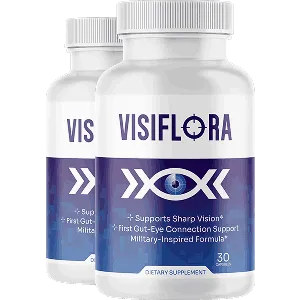
With busy lifestyles, many people turn to supplements to support their eye health. Research suggests that formulations containing a combination of omega-3s, lutein, and zeaxanthin may support visual acuity. A study in 'Nutrients' (2023) found that participants taking a specific eye health supplement experienced significant improvements in contrast sensitivity. This section will discuss the role of supplements, including casual mentions of options like VisiFlora, and how to determine if they may be right for you.
Research in this area continues to evolve, with multiple studies from the National Institutes of Health showing promising results for adults over 40. Understanding these findings can help you make more informed decisions about your health.
Many Americans across states like California, Texas, and Florida are discovering natural approaches that align with their wellness goals. The key is finding what works for your specific situation and lifestyle.
Lifestyle Habits for Long-Term Eye Health
Certain lifestyle habits can greatly impact eye health over time. Regular eye exercises, outdoor activities, and quitting smoking are all associated with better ocular health. A study from 'JAMA Ophthalmology' (2022) showed that those who spent more time outdoors had a lower risk of myopia. This section will provide actionable lifestyle changes that may support long-term eye health and explain the scientific reasoning behind these recommendations.
Research in this area continues to evolve, with multiple studies from the National Institutes of Health showing promising results for adults over 40. Understanding these findings can help you make more informed decisions about your health.
Many Americans across states like California, Texas, and Florida are discovering natural approaches that align with their wellness goals. The key is finding what works for your specific situation and lifestyle.
When to See an Eye Specialist
Knowing when to consult an eye specialist is key to maintaining eye health. Symptoms like persistent vision changes, flashes of light, or significant discomfort should prompt a visit. The American Optometric Association advises regular eye exams every two years for those under 60. This section will outline common indicators that suggest it’s time to seek professional advice and what to expect during an eye exam.
Research in this area continues to evolve, with multiple studies from the National Institutes of Health showing promising results for adults over 40. Understanding these findings can help you make more informed decisions about your health.
Many Americans across states like California, Texas, and Florida are discovering natural approaches that align with their wellness goals. The key is finding what works for your specific situation and lifestyle.
Explore Related Articles
Dive deeper into specific topics covered in this guide:
Final Thoughts
To sum it up, maintaining eye health is a lifelong commitment that involves understanding how your eyes work and what they need to thrive. With proper nutrition, lifestyle choices, and awareness of the changes that come with aging, you can help support your vision for years to come. Whether you're considering dietary adjustments, natural supplements like VisiFlora, or simply want to ensure you’re caring for your eyes effectively, the insights provided here can guide your journey. Remember, your eyes are your window to the world—let's keep them healthy together!Frequently Asked Questions
What are the early signs of eye problems?
Early signs include blurred vision, difficulty seeing at night, and persistent eye strain.
How often should I have an eye exam?
It's recommended to have an eye exam every two years or as advised by your eye specialist.
Can certain foods improve my vision?
Yes, foods rich in antioxidants, omega-3s, and carotenoids may support eye health.
Are there natural ways to relieve digital eye strain?
The 20-20-20 rule and staying hydrated can help alleviate symptoms of digital eye strain.
What is the role of antioxidants for eye health?
Antioxidants help combat oxidative stress, which can damage retinal cells.
How do supplements like VisiFlora support eye health?
Supplements containing key nutrients may help support overall eye health, particularly in those unable to get enough from diet.
Is blue light really harmful to my eyes?
Research suggests that prolonged exposure to blue light may contribute to digital eye strain.
What are common eye conditions after 40?
Common conditions include presbyopia, cataracts, and age-related macular degeneration.
Can smoking affect my eye health?
Yes, smoking is linked to an increased risk of cataracts and AMD.
Should I consider vision supplements if I'm healthy?
If you have a well-balanced diet, supplements may not be necessary, but they can provide additional support.
References & Sources
- Age-Related Macular Degeneration: Causes and Management — National Eye Institute, 2021
- Omega-3 Fatty Acids and Dry Eye Disease — Ophthalmology, 2020
- Carotenoid Intake and Macular Health — Journal of Nutrition, 2021
- Impact of Blue Light on Eye Health — Environmental Health Perspectives, 2022
- Protective Effects of Bilberry Extracts — Food Chemistry, 2023
- Lifestyle Factors and Myopia Prevention — JAMA Ophthalmology, 2022
- Nutritional Supplements for Eye Health: A Meta-Analysis — Nutrients, 2023
- Best Practices for Eye Exams — American Optometric Association, 2021